Why Best Implant Dentist in Ahmedabad is a Trending Topic Now?
Wiki Article
Best Implant Dentist in Ahmedabad: A Comprehensive Guide to Modern Dental Implants
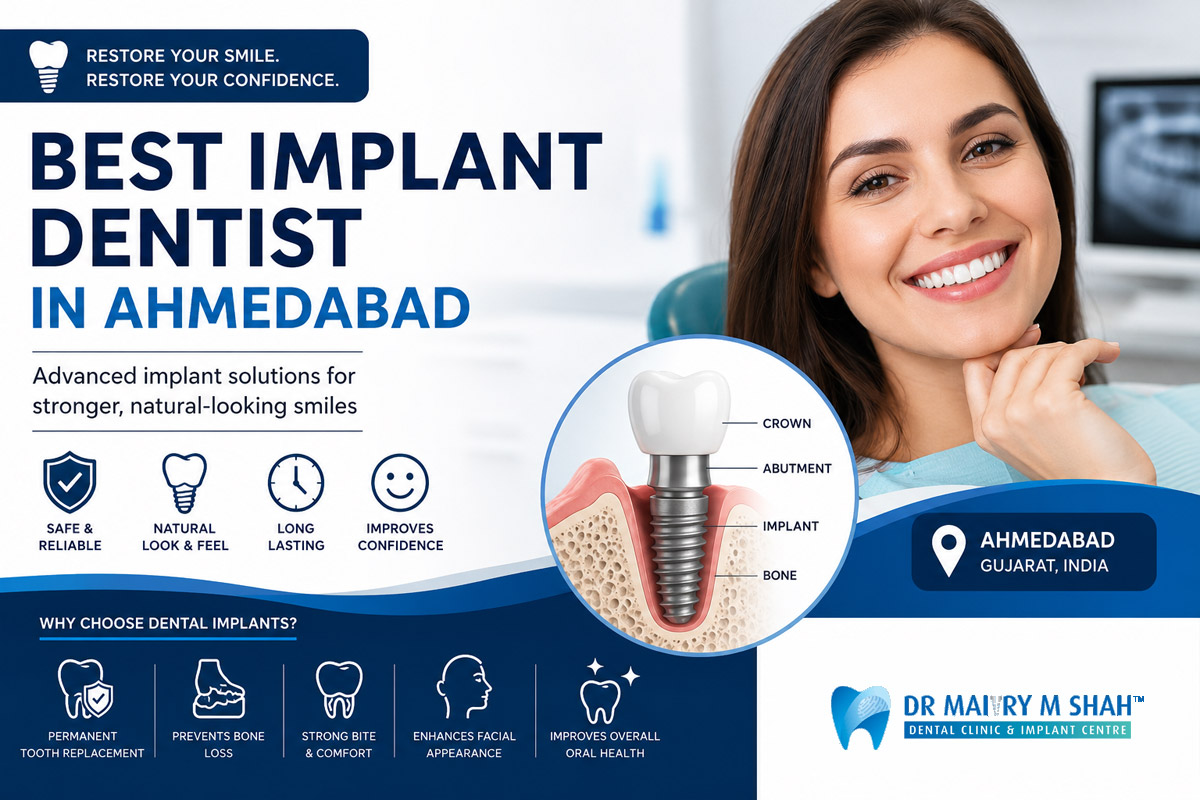
Missing teeth can affect far more than the appearance of your smile. They may make chewing difficult, affect speech, lower self-confidence, and slowly lead to jawbone deterioration. Dental implants provide a modern, reliable, and long-term solution. Choosing the Best Implant Dentist in Ahmedabad is an important step towards restoring both oral health and overall quality of life. Dental implants are designed to function like natural teeth, providing stability, comfort, and a natural appearance. Understanding the treatment process, benefits, and factors involved can help patients make informed decisions about their dental care.
What Are Dental Implants?
Dental implants are artificial roots inserted surgically into the jawbone to hold replacement teeth in place. They are commonly manufactured from medical-grade titanium or zirconia, materials valued for their strength and biocompatibility. As time passes, the implant bonds with the surrounding bone through a process known as osseointegration, forming a stable base for a crown, bridge, or denture.
A complete implant restoration generally consists of three parts: the implant fixture placed inside the jawbone, the abutment that connects the implant to the replacement tooth, and the custom-made crown that resembles a natural tooth. Together, these components restore chewing ability, appearance, and confidence.
Why Dental Implants Are a Popular Option
Dental implants are widely regarded as the most advanced option for replacing missing teeth. Unlike conventional dentures and bridges, implants replace both the crown and the tooth root beneath the gums. This benefit helps maintain facial structure and preserve bone density.
Patients who receive implants often experience improved chewing efficiency, clearer speech, and enhanced comfort. Because implants do not rely on adjacent teeth for support, surrounding healthy teeth remain unaffected. With good oral hygiene and routine dental check-ups, implants can remain functional for many years, making them a dependable long-term solution.
Who Is Suitable for Dental Implants?
Many adults who have lost teeth may qualify for dental implant treatment. An ideal candidate generally has healthy gums, adequate jawbone density, and strong oral hygiene practices. Individuals who have experienced tooth loss because of injury, decay, ageing, or gum disease may benefit from implants.
Patients with some level of bone loss may still be eligible after undergoing procedures like bone grafting or sinus augmentation. A consultation with the Best Implant Dentist in Ahmedabad allows for a detailed examination and personalised treatment plan based on individual needs.
Understanding the Causes of Tooth Loss
Missing teeth can result from various causes, and understanding them is essential for avoiding future oral complications. Advanced tooth decay is among the most common reasons for tooth loss, especially when treatment is postponed. Gum disease can weaken the tissues and bone supporting the teeth, eventually leading to tooth loss.
Facial trauma, accidents, and sports injuries can also lead to missing or damaged teeth. In some cases, congenital conditions, failed root canal treatments, or severe infections contribute to tooth loss. Replacing missing teeth promptly helps prevent complications such as shifting teeth and bone deterioration.
Types of Dental Implant Solutions
Various implant solutions are available depending on how many teeth are missing and the needs of Best Implant Dentist in Ahmedabad the patient. A single implant is suitable for replacing one missing tooth without affecting neighbouring teeth. Multiple implants can support several replacement teeth when larger gaps are present.
Implant-supported bridges serve as an alternative to conventional bridges and provide improved stability. Patients missing all their teeth may benefit from full-mouth rehabilitation options such as implant-supported dentures or All-on-4 systems. Immediate implants, which are placed at the time of tooth extraction in selected cases, can reduce treatment time and improve convenience.
The Dental Implant Procedure Explained
The treatment process begins with a detailed consultation. During this stage, the dentist reviews medical history, examines the mouth, assesses gum health, and evaluates the bite. Advanced imaging methods, such as three-dimensional scans, help determine bone quality and identify the ideal implant location.
After the evaluation, a personalised treatment plan is prepared. The surgical procedure is generally carried out under local anaesthesia and can last between thirty and ninety minutes, depending on the complexity involved.
After placement, the implant needs time to heal and fuse with the jawbone. Healing times vary between patients and can range from two to six months. After successful integration, an abutment is attached, followed by the placement of a custom-made crown designed to match the natural teeth.
Advantages of Dental Implants
Dental implants offer numerous benefits that go beyond appearance alone. One of the most significant benefits is their ability to preserve jawbone health by stimulating the bone in the same way as natural tooth roots. This helps maintain facial structure and prevents the sunken appearance often associated with missing teeth.
Implants also improve chewing ability, enabling patients to enjoy a broader range of foods with ease. Implants remain secure while speaking, eliminating concerns about movement or slipping. Their natural appearance can greatly enhance confidence and self-esteem in social situations.
Factors Affecting Dental Implant Cost
The cost of implant treatment varies depending on several factors. The number of implants required, the quality of the implant system, the need for additional procedures such as bone grafting, and the type of crown material all influence the overall cost.
While choosing the Best Implant Dentist in Ahmedabad, patients should consider not only the price but also the dentist's expertise, experience, sterilisation practices, and technology. Choosing quality treatment can contribute to better long-term outcomes and reduce the likelihood of complications.
Recovery and Aftercare
After implant surgery, most people experience minor discomfort that generally disappears within a few days. Carefully following post-operative guidelines is important for successful healing. During recovery, dentists commonly advise soft foods, proper rest, and effective oral hygiene.
Soft foods including yoghurt, soups, oatmeal, mashed vegetables, and soft fruits are usually recommended after surgery. Very hot, sticky, or hard foods should be avoided until recovery advances. Routine follow-up appointments help the dentist assess healing and confirm successful implant integration.
Choosing the Best Implant Dentist in Ahmedabad
Selecting the right implant dentist plays a major role in the success of treatment. Patients should look for professionals with specialised training in implant dentistry and extensive clinical experience. Contemporary dental practices frequently use digital scans, intraoral imaging, and computer-guided techniques to enhance precision and patient comfort.
Reviewing previous treatment results and patient experiences can provide valuable insights into the quality of care offered. Equally important are strict sterilisation protocols and a personalised approach that considers the unique needs of each patient.
Final Thoughts
Modern restorative dentistry has been transformed by dental implants, which provide a permanent and natural-looking answer to tooth loss. They restore oral function, support jawbone health, and improve confidence in everyday life. Choosing the Best Implant Dentist in Ahmedabad ensures that patients receive expert care, accurate diagnosis, and a treatment plan tailored to their individual needs. Whether replacing one tooth or opting for full-mouth rehabilitation, dental implants offer long-term benefits and support a healthier, more confident smile for many years. Report this wiki page